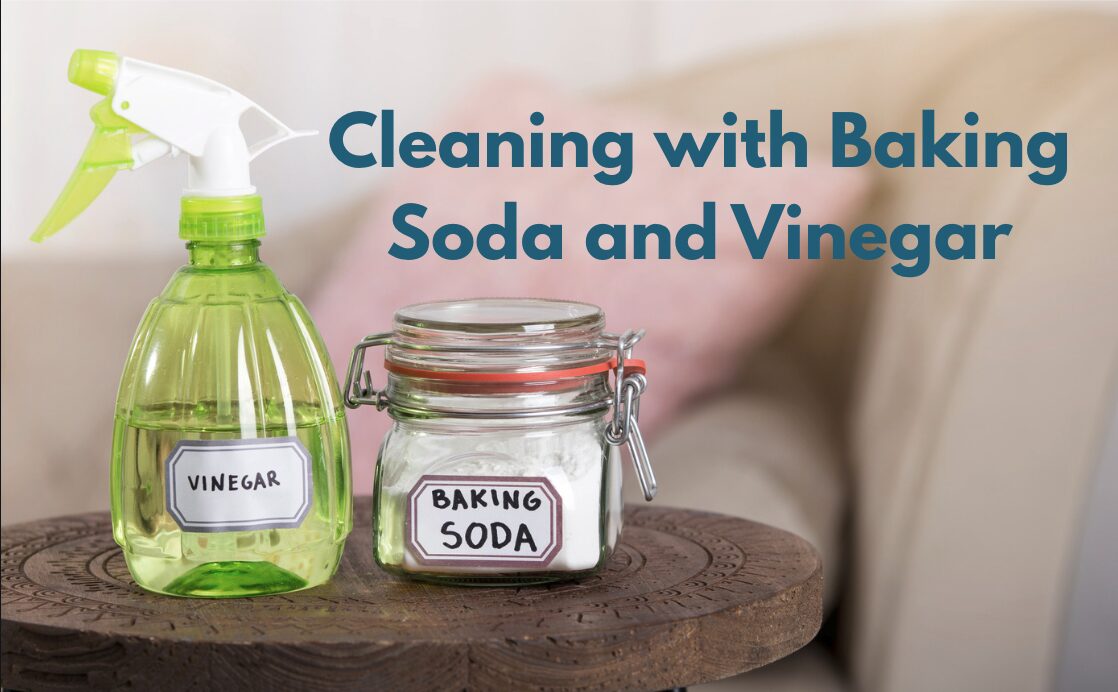

In today’s world, where environmental consciousness is on the rise, many homeowners are seeking effective yet eco-friendly cleaning solutions. Among the most versatile and cost-effective cleaning agents found in many kitchens are vinegar and baking soda. This article will explore the science behind these household staples, their numerous benefits, common uses, DIY cleaning recipes, and tips for maximizing their effectiveness. By the end, readers will be equipped with the knowledge to incorporate these natural cleaners into their home cleaning routines effectively.
The Science Behind Vinegar and Baking Soda
Understanding Acidity and Alkalinity
Vinegar, primarily composed of acetic acid, typically has a pH of around 2.5, making it quite acidic. In contrast, baking soda (sodium bicarbonate) is a mild alkaline substance with a pH of about 9. When combined, the acid and alkaline properties react to produce carbon dioxide gas, a reaction that can help lift grime and dirt. This chemical reaction is not just a fun experiment; it forms the basis for the cleaning prowess of these two ingredients.
The unique characteristics of vinegar and baking soda make them ideal companions in cleaning. The acidity of vinegar helps dissolve mineral deposits, grease, and grime, while baking soda acts as a gentle abrasive, making it effective for scrubbing surfaces without scratching them. This dual-action approach ensures a deep clean without the harsh chemicals often found in commercial products.
How Vinegar and Baking Soda Work Together
The combination of vinegar and baking soda creates a fizzing action that can effectively unclog drains, clean tough messes, and eliminate odors. When poured into a clogged drain, the bubbling action can help dislodge blockages, making it easier to flush them away. Additionally, when using these substances in tandem for cleaning surfaces, the reaction can help lift stains and food residues, enhancing the overall effectiveness of your cleaning routine.
This powerful duo’s ability to clean, deodorize, and disinfect makes it a favorite among those looking for alternatives to commercial cleaners. The fact that they are non-toxic and safe for use around children and pets further adds to their appeal.
Benefits of Using Vinegar and Baking Soda for Cleaning
Eco-Friendly Cleaning Solutions
One of the most significant advantages of using vinegar and baking soda for cleaning is their eco-friendliness. Unlike many commercial cleaners that contain harsh chemicals, these natural alternatives are biodegradable and non-toxic. This means they do not contribute to indoor air pollution and are safe for the environment. By choosing vinegar and baking soda, homeowners can reduce their ecological footprint and contribute to a healthier planet.
Furthermore, using these ingredients minimizes the risk of chemical exposure for family members and pets. Many traditional cleaning products contain substances that can cause respiratory issues or skin irritation. In contrast, vinegar and baking soda offer a safer alternative without compromising cleaning power.
Cost-Effective Alternatives
Cleaning supplies can be a significant expense for households, with many products costing upwards of $10 each. Vinegar and baking soda, however, are incredibly affordable. A bottle of vinegar can cost as little as $3, and a box of baking soda is often less than $2. Given their versatility, these two ingredients can replace numerous specialized cleaners, making them an economical choice for those on a budget.
Moreover, the effectiveness of these natural products means that homeowners can achieve the same cleaning results as they would with commercial products, often at a fraction of the cost. This budget-friendly aspect makes it accessible for everyone to maintain a clean home without breaking the bank.
Health Benefits of Natural Cleaners
Using vinegar and baking soda for cleaning not only benefits the environment but also promotes better health within the household. Many commercial cleaning products contain volatile organic compounds (VOCs), which can lead to various health issues, including headaches, dizziness, and respiratory problems. By switching to natural cleaning options, homeowners can create a healthier living environment.
Additionally, vinegar has antibacterial properties, making it effective in reducing germs and bacteria on surfaces. While it may not be as effective as some chemical disinfectants, its natural properties still provide a baseline level of cleanliness, contributing to a healthier home.
Common Uses of Vinegar and Baking Soda in Home Cleaning
Kitchen Cleaning
The kitchen is often the heart of the home but can also be a hotspot for bacteria and grime. Vinegar and baking soda can be used for various kitchen cleaning tasks, including cleaning countertops, stovetops, and even appliances. For instance, a solution of vinegar and water can effectively cut through grease, making it an excellent choice for cleaning stovetops and ovens. Baking soda, when sprinkled on surfaces and scrubbed with a damp cloth, can help remove tough stains without damaging the surface.
Moreover, vinegar can be used to clean coffee makers and microwaves. A simple mixture of equal parts water and vinegar can be run through the coffee maker to remove mineral deposits, while a bowl of vinegar can be heated in the microwave to help loosen food splatters, making wipe-down easier.
Bathroom Deep Cleaning
The bathroom is another area where vinegar and baking soda shine. Their ability to tackle soap scum, hard water stains, and mildew makes them perfect for deep cleaning. For example, a paste made from baking soda and water can be applied to bathroom tiles to scrub away mildew and mold. After scrubbing, a vinegar rinse can further disinfect the area, leaving it clean and fresh.
Vinegar can also be used to clean glass shower doors and mirrors, effectively removing water spots and soap residues. Simply spray undiluted vinegar and wipe with a microfiber cloth for a streak-free shine. Additionally, using a mixture of vinegar and baking soda in the toilet can help clean and deodorize the bowl effortlessly.
Carpet and Upholstery Care
Spills and stains on carpets and upholstery are common in any household. Thankfully, vinegar and baking soda can help tackle these issues. For fresh stains, blot the area first to absorb excess liquid, then sprinkle baking soda over the stain. After allowing it to sit for a few minutes, spray the area lightly with vinegar. This will create a fizzing action that can lift the stain from the fibers. Once the area is dry, vacuum up any remaining baking soda.
For deeper cleaning, mixing vinegar with water can create a solution that can be used in carpet cleaning machines. This natural cleaner can help remove dirt and odors without the harsh chemicals typically found in commercial carpet cleaners, making it a safer choice for homes with children and pets.
Odor Neutralization
One of the remarkable properties of both vinegar and baking soda is their ability to neutralize odors. For instance, placing an open box of baking soda in the refrigerator can absorb unpleasant smells, while vinegar can be used to eliminate odors from surfaces or fabrics. A mixture of vinegar and water can be sprayed in areas prone to odors, helping to refresh the environment.
Baking soda can also be used in carpet and upholstery cleaning to combat odors. Its absorbent properties make it effective at trapping smells, making it an excellent choice for homes with pets or heavy foot traffic. By using these natural deodorizing agents, homeowners can maintain a fresher and more inviting atmosphere in their living spaces.
Step-by-Step Tutorials for Effective Cleaning
All-Purpose Cleaner Recipe
Creating an all-purpose cleaner with vinegar and baking soda is simple and effective. To make your own, combine one cup of water with one cup of vinegar in a spray bottle. For added cleaning power, you can add a couple of tablespoons of baking soda to the mixture. Shake gently to combine and use it on countertops, sinks, and other surfaces. This versatile cleaner will tackle dirt and grime while leaving a pleasant, fresh scent.
For tougher messes, consider increasing the amount of baking soda to create a paste. Apply the paste directly to the area, let it sit for a few minutes, and then scrub with a cloth or sponge. Rinse with water to reveal a clean and shiny surface.
Drain Cleaning Method
Clogged drains are a common nuisance, but vinegar and baking soda can help clear them. Start by pouring half a cup of baking soda down the drain, followed by half a cup of vinegar. The reaction will create fizzing and bubbling, which can help break down debris. Allow the mixture to sit for about 30 minutes, then flush the drain with hot water to clear any remaining particles.
This method is not only effective but also safe for your plumbing compared to harsh chemical drain cleaners. Regular use can help maintain clear drains and prevent future clogs.
Stain Removal Techniques
Removing stains can be a daunting task, but vinegar and baking soda can simplify the process. For fabric stains, start by blotting excess liquid. Then, create a paste using equal parts baking soda and water and apply it directly to the stain. Let it sit for about 30 minutes before rinsing with cold water. For stubborn stains, spraying vinegar on the paste can enhance the cleaning action before rinsing.
For tougher stains like grease or red wine, using a mixture of vinegar and baking soda can help. Apply the paste and let it sit for an extended period before washing the fabric as usual. This natural approach is not only effective but gentle on clothing and upholstery.
Window and Glass Cleaning Solution
For sparkling windows and mirrors, a simple vinegar solution can do wonders. Combine one part vinegar with one part water in a spray bottle. Spray the solution onto the glass surface and wipe with a microfiber cloth or newspaper for a streak-free finish. This method is particularly effective for removing hard water stains and fingerprints.
For added cleaning power, consider adding a few drops of dish soap to the mixture. This will help cut through grease and grime, leaving your windows clear and shining. Using natural cleaners for window cleaning reduces exposure to harmful chemicals while still achieving excellent results.
Tips for Maximizing Cleaning Efficiency
When to Use Vinegar vs. Baking Soda
Knowing when to use vinegar and when to use baking soda can significantly enhance your cleaning efforts. Vinegar is best suited for dissolving mineral deposits, cutting through grease, and deodorizing. It works well on surfaces such as countertops, bathrooms, and glass. However, it should not be used on natural stone surfaces like granite or marble, as the acidity can damage them.
Baking soda, on the other hand, is ideal for scrubbing and deodorizing. It’s perfect for removing stains and odors from fabrics and carpets. Use baking soda as a mild abrasive cleaner on non-stone surfaces while combining it with vinegar can enhance its effectiveness for stubborn stains and clogs.
Safety Precautions
While vinegar and baking soda are generally safe for home use, there are some precautions to keep in mind. Always use them in well-ventilated areas, especially when using vinegar in concentrated forms. Avoid mixing vinegar with bleach or other cleaners, as this can produce harmful fumes. Additionally, test surfaces before applying these cleaners to ensure there is no adverse reaction.
Keep both substances out of reach of children and pets, as ingesting large amounts can cause gastrointestinal discomfort. By following these simple safety guidelines, homeowners can effectively use vinegar and baking soda for cleaning without risk.
Storage and Usage Guidelines
Storing vinegar and baking soda is straightforward. Both can be kept in their original containers; just ensure they are tightly sealed to maintain their effectiveness. Baking soda can absorb odors, so it’s best to store it away from strong-smelling items. Vinegar, meanwhile, should be kept in a cool, dark place to preserve its quality.
For optimal use, always measure the amounts carefully, especially when creating cleaning solutions. Using too much vinegar can lead to stronger odors, while too much baking soda can create excessive fizz, potentially making a mess. Following recommended ratios will ensure that cleaning tasks are efficient and effective.
Comparing DIY Methods with Professional Deep Cleaning Services
Cost Analysis
When considering cleaning options, the cost is often a deciding factor. DIY cleaning methods using vinegar and baking soda are significantly more affordable than hiring professional services. A few dollars spent on these two ingredients can replace multiple commercial cleaners, resulting in substantial savings.
In contrast, professional cleaning services can range from $199 to $300 or more, depending on the size of the home and the level of cleaning required. For routine maintenance cleaning, DIY methods may be more cost-effective, while professional services may be more suitable for deep cleaning tasks or for those who lack the time or energy to clean thoroughly.
Effectiveness of Home Remedies vs. Professional Services
While DIY cleaning with vinegar and baking soda can be extremely effective for regular cleaning tasks, professional services offer a level of thoroughness that may be hard to achieve on your own. Professional cleaners have access to specialized tools and solutions that can penetrate deeply into carpets, upholstery, and hard-to-reach areas. They are trained in techniques that ensure a high standard of cleanliness.
However, for everyday cleaning and maintenance, vinegar and baking soda can tackle most tasks efficiently. They are particularly effective for minor spills, regular upkeep, and maintaining the freshness of fabrics and surfaces. Understanding the effectiveness of both options allows homeowners to make informed decisions about their cleaning practices.
When to Consider Hiring Professionals
While vinegar and baking soda can handle many cleaning tasks, there are situations where hiring professionals makes sense. For instance, significant stains that have set in, extensive mold infestations, or heavy-duty cleaning tasks may require specialized equipment and expertise. Additionally, if you are moving into a new home or preparing your home for sale, professional deep cleaning can ensure that every corner is spotless and welcoming.
Moreover, those with busy schedules may find that investing in professional cleaning services frees up time to focus on other aspects of life. In such cases, combining DIY cleaning for regular maintenance with professional services for deep cleaning can offer the best of both worlds.
Trust the Professionals for Your House Cleaning Needs
Not sure which cleaning products or methods are right for your home? Pristine Hive Cleaning’s professional services ensure your space is thoroughly cleaned using the most suitable solutions. Whether you prefer eco-friendly options or stronger cleaning agents, our experienced cleaners tailor their approach to match your preferences.
With extensive expertise, our team knows exactly which products and techniques deliver the best results. Book your professional house cleaning service today through Pristine Hive Cleaning’s convenient online booking system.
Conclusion
Incorporating vinegar and baking soda into your home cleaning routine presents a cost-effective, eco-friendly, and health-conscious alternative to traditional cleaning products. With their unique chemical properties, these ingredients can tackle a wide variety of cleaning tasks, from kitchen and bathroom cleaning to stain removal and odor neutralization. By understanding how to effectively use these natural cleaners, homeowners can maintain a clean and safe living environment.
While DIY methods provide an accessible solution for routine cleaning, there are times when professional services may be warranted, especially for deep cleaning needs. Ultimately, the choice between DIY and professional cleaning comes down to personal preference, budget, and the specific requirements of each cleaning task.
FAQs
Can vinegar and baking soda be mixed together?
Yes, mixing vinegar and baking soda creates a fizzing reaction that can help lift stains and unclog drains. However, it’s best to use them separately for cleaning tasks for optimal results.
Are there surfaces I shouldn’t use vinegar on?
Avoid using vinegar on natural stone surfaces, such as granite or marble, as the acidity can etch and damage them. Additionally, be cautious when using vinegar on wood surfaces.
How can I remove tough stains with vinegar and baking soda?
For tough stains, create a paste using baking soda and water, apply it to the stain, and then spray with vinegar. Let the mixture sit for a while before rinsing or washing the fabric.
Is it safe to use vinegar around pets?
Yes, vinegar is generally safe around pets in small amounts. However, keep an eye on pets to ensure they do not ingest large quantities.
How often should I use vinegar and baking soda for cleaning?
Vinegar and baking soda can be used as needed for regular cleaning tasks. For deep cleaning, consider incorporating them into your routine every few weeks or monthly, depending on your household’s needs.
Can baking soda and vinegar disinfect surfaces?
Baking soda and vinegar are great for cleaning and deodorizing, but they do not disinfect as effectively as commercial disinfectants or products containing bleach or alcohol. For killing germs, follow up with an EPA-approved disinfectant.
Can I use baking soda and vinegar in my washing machine?
Yes. Baking soda helps with odors and softening laundry, while vinegar removes detergent buildup. Just avoid mixing them together at the same time—use baking soda in the wash cycle and vinegar in the rinse cycle.
Is it safe to use baking soda and vinegar in plumbing?
They’re safe for most drains and can help with minor clogs or deodorizing. However, they won’t resolve major blockages. For frequent or severe clogs, contact a plumber.
Can vinegar damage rubber or plastic parts?
Repeated exposure to strong vinegar solutions can degrade certain rubber and some plastics. For appliances with rubber seals, use vinegar sparingly.
Does the reaction between vinegar and baking soda create harmful fumes?
No. The reaction produces only water and carbon dioxide gas—both safe. It may fizz vigorously, so use it in an open area to avoid overflow.